
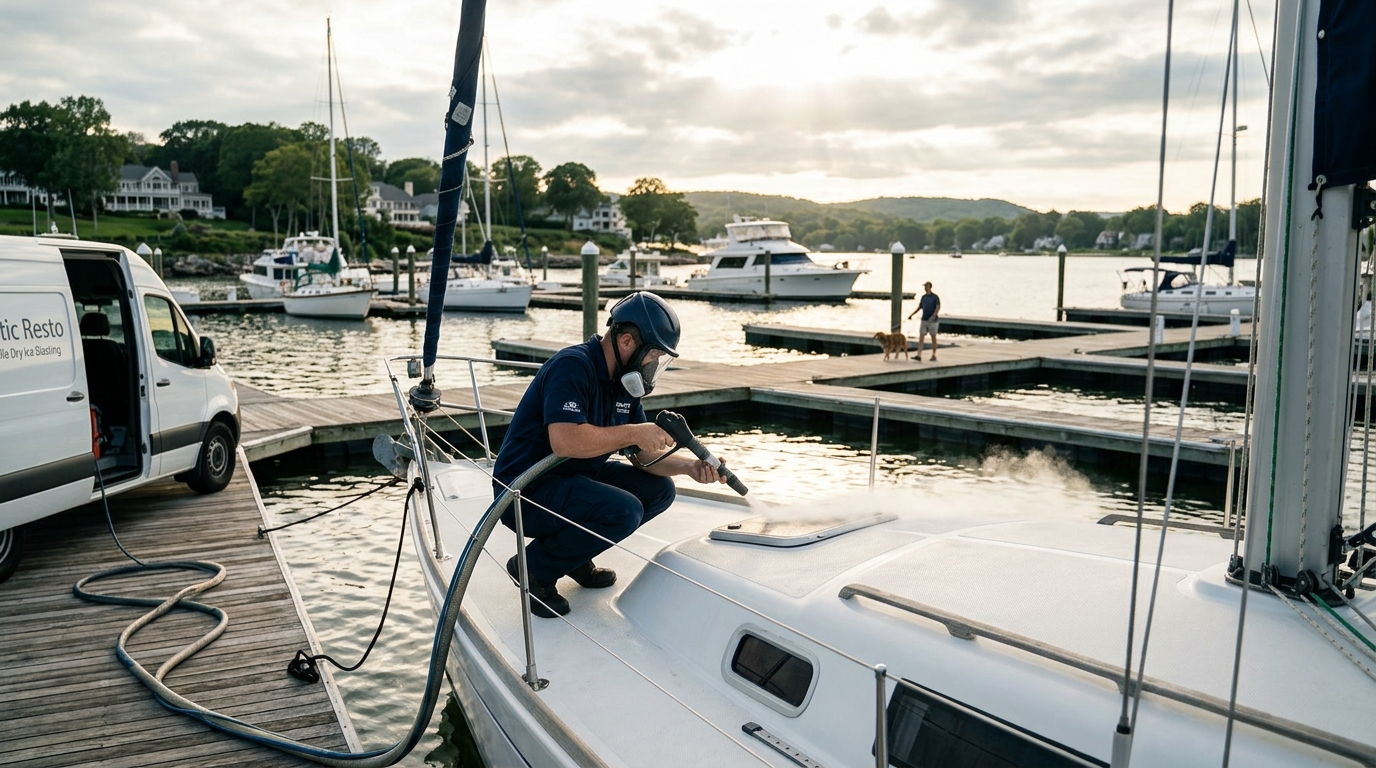
Arctic Resto provides mobile dry ice cleaning services for boats and marinas in Connecticut, utilizing fully outfitted Mercedes Sprinter vans to deliver professional, eco-friendly results. This guide covers how to choose a provider, verify credentials, understand costs, and navigate the specific regulatory and environmental considerations of marine cleaning in the state. For additional details, review the arcticresto com.
How to Choose a Provider
Selecting the right cleaning partner for your vessel or marina requires looking beyond basic marketing claims. A professional dry ice blasting service is a specialized industrial cleaning operation that requires specific equipment, training, and liability coverage. You need a provider that understands the unique materials found on marine assets, such as fiberglass, gelcoat, and aluminum. For additional details, review the .
Equipment and Mobility
Experience with Marine Assets
General industrial cleaners may not understand the sensitivity of marine surfaces. A good provider has specific experience with hulls, decks, and engine rooms. They should be able to explain how they adjust the blasting pressure for different materials. For instance, a gelcoat hull requires a different approach than a raw steel engine block. For additional details, review the Customer Experience.
What to Ask Before Committing
Before signing a contract, you must ask specific technical questions to ensure the provider can handle your specific needs. These questions reveal the depth of their expertise and their operational readiness. For additional details, review the Frequently Asked Questions.
Pressure and Particle Size
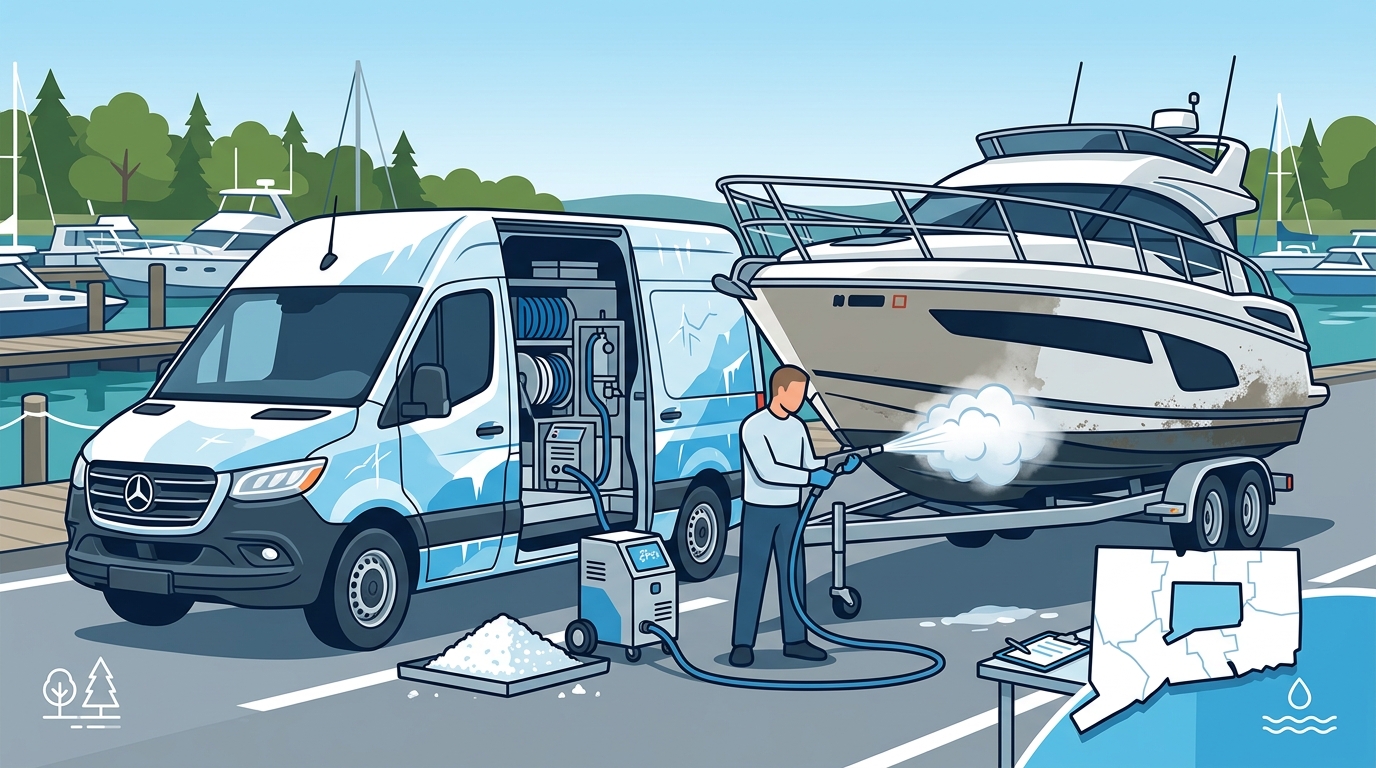
Ask about the range of air pressure they use and the size of the dry ice pellets. Dry ice blasting is a kinetic cleaning process that relies on the impact of solid carbon dioxide pellets. The provider should be able to explain how they calibrate the pressure to remove grime without damaging the underlying surface. They should also specify the pellet size, as smaller pellets are better for detailed work while larger ones are for heavy soot removal. For additional details, review the About.
Waste Disposal
Ask how they handle the waste. One of the primary benefits of dry ice is that it sublimates, turning from solid to gas. However, the dirt, oil, and debris removed must be collected. Ask if they use vacuum systems to capture the waste and how they dispose of it. This is crucial for environmental compliance, especially in marinas.
How to Verify Credentials
Claims of expertise are easy to make, but verification is difficult. You need to check that the provider is legitimate and insured. This step protects you from liability if damage occurs during the cleaning process.
Insurance and Liability
Request a Certificate of Insurance (COI) that names your business or marina as an additional insured. This document proves they carry general liability and property damage coverage. Without this, you are personally liable for any damage to the boat or the marina infrastructure. Verify that the policy is current and covers the specific type of work being performed.
References and Case Studies
Ask for references from other marinas or boat owners in the region. Contact them and ask about the results, the professionalism of the crew, and any issues that arose. Look for case studies that show before and after photos of similar vessels. This provides tangible evidence of their capability.
How the Process Works
Understanding the workflow helps you plan for the service and manage expectations. The process is systematic and designed to minimize downtime for the vessel.
Preparation and Setup
The team arrives at the marina or dock and sets up their mobile unit. They connect to a power source if needed and prepare the blasting equipment. They then assess the specific areas to be cleaned, such as the hull, deck, or engine room. They may cover sensitive areas with protective masking if necessary, though dry ice is generally safe for most surfaces.
Blasting and Inspection
The technician begins the blasting process, moving systematically across the surface. The dry ice pellets impact the surface, freezing and shattering the contaminants. The sublimation of the ice creates a micro-explosion that lifts the dirt away. After the blasting is complete, the technician inspects the surface to ensure all contaminants are removed. They then clean up any remaining waste using vacuum systems.
What It Costs
Costs for dry ice cleaning vary based on several factors. There is no single fixed price, as each vessel and cleaning job is unique. Understanding the cost drivers helps you budget accurately.
Size and Complexity
The size of the boat is the primary cost driver. A 20-foot center console costs less to clean than a 60-foot yacht. Complexity also matters. A boat with intricate details, such as teak decking or custom electronics, takes longer to clean than a simple fiberglass hull. The provider will usually quote based on the square footage or the estimated hours of labor.
Location and Access
Location can affect the price. If the boat is in a hard-to-reach area of the marina, it may take longer to access. Travel time and setup costs are often included in the quote. Ask for a detailed breakdown of the costs to understand what you are paying for.
Common Mistakes to Avoid
Many boat owners make mistakes that lead to poor results or damage. Avoiding these pitfalls ensures a successful cleaning experience.
Skipping the Inspection
Do not skip the pre-cleaning inspection. If there is existing damage, such as cracks in the gelcoat or corrosion on the metal, the cleaning process may reveal or worsen it. A professional provider will inspect the surface before starting and flag any issues. If you skip this step, you may be liable for damage that was already present.
Assuming One-Size-Fits-All
Dry Ice vs. Alternatives
Dry ice blasting is not the only option for cleaning boats. Understanding how it compares to other methods helps you make an informed decision.
| Method | Pros | Cons | Best For |
|---|---|---|---|
| Dry Ice Blasting | Non-abrasive, no water, no chemicals, sublimates | Higher cost, requires specialized equipment | Delicate surfaces, engine rooms, electronics |
| Sandblasting | Very aggressive, removes paint | Highly abrasive, creates hazardous waste, requires containment | Stripping paint, heavy rust |
| Chemical Cleaning | Effective on specific stains | Chemical runoff, environmental impact, safety hazards | Specific stains, pre-treatment |
Specific Marine Scenarios
Different parts of a boat have different cleaning needs. Tailoring the service to the specific scenario ensures the best results.
Engine Rooms
Engine rooms accumulate oil, grease, and soot. Dry ice is excellent for this environment because it does not conduct electricity and does not leave behind residue. It can clean around electrical components and sensors without the risk of short circuits or corrosion that water-based methods pose.
Decks and Teak
Decks, especially teak, are sensitive to water and abrasives. Dry ice can remove grime and mildew without saturating the wood or scratching the surface. This preserves the natural look and integrity of the teak. For fiberglass decks, dry ice removes oxidation and grime without damaging the gelcoat.
Rules and Protections
Marine cleaning is subject to environmental regulations. Understanding these rules protects you and the environment.
Environmental Compliance
Connecticut has strict environmental laws regarding the discharge of pollutants into waterways. Any cleaning method that creates runoff must be managed properly. Dry ice blasting is advantageous here because it does not use water or chemicals, so there is no liquid runoff. However, the solid waste removed must be collected and disposed of according to local regulations. Ensure your provider is compliant with these rules.
Liability and Contracts
Have a clear contract that outlines the scope of work, the methods used, and the liability for any damage. The contract should specify that the provider is responsible for any damage caused by their negligence. This legal protection is essential for high-value assets like boats.
Connecticut Local Specifics
Connecticut has a unique marine environment that affects cleaning needs. The state has a mix of freshwater and saltwater bodies, each with different challenges.
Freshwater vs. Saltwater
Freshwater bodies, such as Long Island Sound, have different biological growth patterns than saltwater. Saltwater promotes the growth of barnacles and other marine life, which can be difficult to remove. Dry ice is effective for removing these biological contaminants without damaging the hull. Freshwater boats may deal more with algae and tannin stains, which dry ice can also address.
Marina Infrastructure
Many Connecticut marinas have specific rules about cleaning on-site. Some may prohibit pressure washing due to runoff concerns. Dry ice blasting is often preferred in these marinas because it is cleaner and more environmentally friendly. Check with your specific marina about their rules before scheduling a service.
Timing Your Service
When you schedule the cleaning can impact the results and the cost. Timing is a strategic decision for boat owners and marinas.
Pre-Season
Spring is the busiest time for marine services. Scheduling your cleaning in late winter or early spring ensures your boat is ready for the season. This is also when providers are most in demand, so book early. Pre-season cleaning removes winter storage grime and prepares the hull for the water.
Post-Season
Fall is a good time for a deep clean before storage. This removes the season's grime, salt, and biological growth, preventing damage during storage. It also allows you to inspect the hull for any damage that needs repair before the boat is put away.
Long-Term Results
Dry ice cleaning is not just a cosmetic fix; it has long-term benefits for the health and value of your vessel.
Preservation of Surfaces
By using a non-abrasive method, dry ice preserves the integrity of the gelcoat and other surfaces. This prevents the micro-scratches and erosion that can occur with abrasive methods. Over time, this preservation maintains the boat's aesthetic and structural value.
Prevention of Corrosion
Removing contaminants like salt and oil prevents corrosion on metal components. This extends the life of the engine and other mechanical parts. Regular dry ice cleaning is a proactive maintenance step that saves money on repairs in the long run.
Key Takeaways
- Choose a provider with specific marine experience and mobile equipment.
- Verify insurance and liability coverage before starting work.
- Ask about pressure settings and waste disposal methods.
- Dry ice is non-abrasive and leaves no residue, making it ideal for delicate surfaces.
- Costs vary based on boat size, complexity, and location.
- Connecticut's environmental regulations favor dry ice over water-based methods.
- Schedule cleaning in pre-season or post-season for best results.
- Long-term dry ice cleaning preserves surface integrity and prevents corrosion.
Frequently Asked Questions
Is dry ice blasting safe for fiberglass hulls?
Yes, dry ice blasting is safe for fiberglass and gelcoat. It is a non-abrasive process that does not scratch or damage the surface when used with the correct pressure settings.
Does dry ice cleaning use water?
No, dry ice cleaning is a water-free process. The dry ice pellets sublimate into gas, leaving no liquid residue behind.
How long does it take to clean a boat?
The time required depends on the size of the boat and the level of dirt. A small boat may take a few hours, while a large yacht may take a full day or more.
Can dry ice remove paint?
Dry ice can remove paint, but it is generally used for cleaning rather than stripping. For paint stripping, more aggressive methods like sandblasting are typically used.
Is dry ice cleaning environmentally friendly?
Yes, dry ice is made from carbon dioxide, which is a natural part of the atmosphere. The process does not use chemicals or water, reducing environmental impact.
Do I need to move the boat for cleaning?
No, mobile dry ice cleaning services like Arctic Resto come to you. The fully outfitted vans allow the cleaning to happen on-site at the marina or dock. Learn more: arcticresto com.