

How to Choose a Provider
Selecting the right partner for food processing equipment cleaning requires evaluating technical capability and safety protocols. A reliable provider must demonstrate expertise in industrial-grade, water-free, and chemical-free technology. This approach ensures a thorough and responsible cleaning process safe for families and pets. For additional details, review the arcticresto com.
Technical Capability
Look for companies that utilize fully outfitted mobile units. Arctic Resto, for example, employs Mercedes Sprinter vans equipped with industrial-grade dry ice blasting systems. This mobile capability allows for professional results with minimal downtime. The equipment must be capable of handling the specific contaminants found in your facility, such as fats, oils, and proteins. For additional details, review the .
Safety and Compliance
Food safety is non-negotiable. The provider must adhere to strict hygiene standards. Since dry ice sublimates into gas, there is no secondary waste. This eliminates the need for hazardous waste disposal. Verify that the provider understands the specific regulations governing your type of food processing. For additional details, review the Customer Experience.
What to Ask Before Committing
Before signing a contract, you must ask specific questions to gauge the provider's operational readiness. These questions help determine if the company can meet your unique facility requirements. For additional details, review the Frequently Asked Questions.
Equipment and Technology
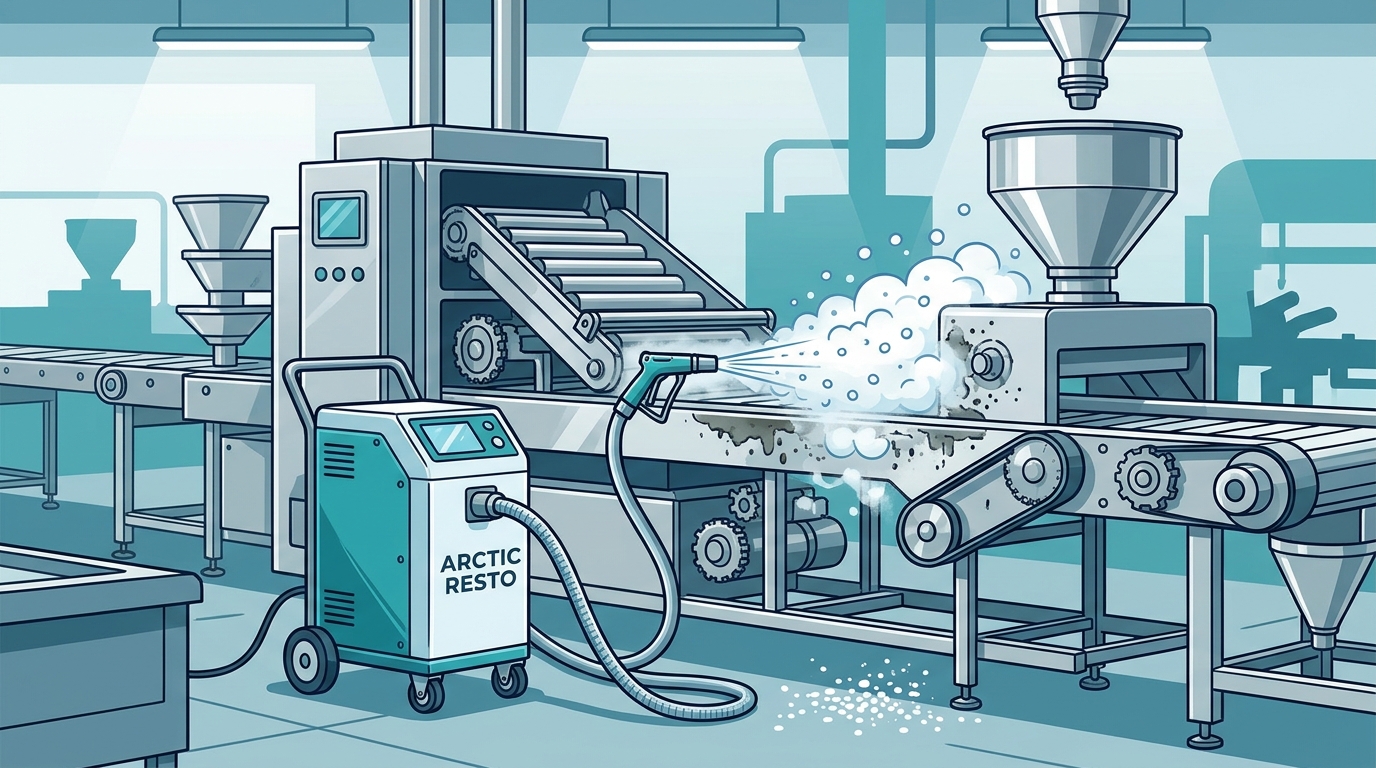
Ask about the specific blasting technology used. Is it a true dry ice blasting system or a compressed air system with additives? Confirm the pressure capabilities and the size of the dry ice pellets. Larger pellets may be needed for heavy buildup, while smaller pellets are better for delicate surfaces. For additional details, review the About.
Insurance and Liability
Inquire about their insurance coverage. The provider should carry comprehensive liability insurance. This protects your facility in case of accidental damage to equipment or property. Request a certificate of insurance before any work begins.
How to Verify Credentials
Verifying a provider's claims is essential for risk management. Do not rely solely on marketing materials. Conduct due diligence to ensure the company is legitimate and experienced.
Check References
Request a list of recent clients in the food processing industry. Contact these references to ask about the quality of work and the professionalism of the crew. Ask specifically about any issues that arose and how they were resolved.
Review Certifications
Look for industry-specific certifications. While there is no single universal certification for dry ice blasting, reputable providers often hold OSHA safety training and environmental compliance certifications. Verify these credentials with the issuing bodies.
How the Process Works
Understanding the workflow helps you plan for the cleaning event. The process is systematic and designed to minimize disruption to your operations.
Preparation and Assessment
The provider arrives and assesses the equipment. They identify the types of contaminants and the level of buildup. They then prepare the area, ensuring that sensitive components are protected. This step is crucial for preventing damage.
Blasting and Inspection
What It Costs
Costs for dry ice cleaning vary based on several factors. Understanding these drivers helps you budget accurately.
Factors Influencing Price
The size of the equipment is a primary cost driver. Larger machines require more time and more dry ice. The type of contaminant also matters. Heavy, baked-on grease may require more passes than light dust. The location of the facility can also impact pricing due to travel time.
Mobile Service Premium
Mobile services often carry a premium compared to on-site cleaning. This is because the provider brings all the equipment and power sources to your location. However, this convenience often outweighs the cost, especially when considering the downtime associated with traditional cleaning methods.
Common Mistakes to Avoid
Even with a good provider, mistakes can happen. Being aware of common pitfalls helps you avoid them.
Inadequate Preparation
Failing to prepare the equipment properly can lead to poor results. Ensure that loose debris is removed before the blasting begins. This allows the dry ice to target the adhered contaminants effectively.
Ignoring Safety Protocols
Dry ice blasting generates a cloud of gas and particulates. Proper ventilation and personal protective equipment are essential. Ensure that your staff and the provider's crew are trained in safety protocols. This prevents accidents and ensures a safe working environment.
Dry Ice vs. Alternatives
| Method | Water Usage | Chemical Usage | Downtime | Waste Disposal |
|---|---|---|---|---|
| Dry Ice Blasting | None | None | Minimal | None (sublimates) |
| Pressure Washing | High | Often required | Moderate | Wastewater treatment |
| Chemical Soaking | High | High | High | Hazardous waste |
Dry ice blasting is a water-free and chemical-free process. This makes it ideal for sensitive equipment that cannot tolerate moisture or harsh chemicals. The lack of secondary waste simplifies the cleanup process. Traditional methods often require significant time for drying and chemical neutralization.
Specific Situations
The suitability of dry ice cleaning depends on the specific application. It is particularly effective for certain types of equipment and contaminants.
Heat Sensitive Equipment
Dry ice is cold, but the process is fast. This makes it suitable for heat-sensitive components. The rapid sublimation prevents thermal shock. This is a significant advantage over hot water or steam cleaning.
Electrical Components
Because it is water-free, dry ice blasting is safe for electrical components. This allows for the cleaning of control panels and motors without the risk of short circuits. This is a critical benefit for modern, automated food processing lines.
Rules and Protections
Food processing facilities are subject to strict regulations. Dry ice cleaning must comply with these rules to ensure food safety.
Food Safety Standards
Providers must adhere to standards set by agencies like the FDA and USDA. These standards dictate the level of cleanliness required for food contact surfaces. Dry ice blasting can meet these standards without the use of prohibited chemicals.
Environmental Regulations
Since dry ice sublimates, it does not contribute to wastewater or hazardous waste streams. This helps facilities comply with environmental regulations. It also reduces the facility's environmental footprint, aligning with sustainability goals.
Local Specifics
Local factors can influence the availability and cost of dry ice cleaning services. Understanding these factors helps you find the right provider.
Service Area
Mobile providers often operate within specific geographic regions. Ensure that the provider serves your location. Travel time can impact the cost and scheduling of the service. Arctic Resto operates in the USA, providing coverage across various regions.
Local Regulations
Timing and Scheduling
Timing the cleaning correctly is crucial for minimizing downtime. Coordinate with your production schedule to find the optimal window.
Preventive Maintenance
Schedule dry ice cleaning as part of your preventive maintenance plan. Regular cleaning prevents heavy buildup, which is harder to remove. This extends the life of your equipment and ensures consistent performance.
Emergency Cleaning
While preventive maintenance is ideal, emergency cleaning may be necessary. Mobile providers can often respond quickly to urgent situations. This flexibility is a key advantage of mobile services.
Results Over Time
The benefits of dry ice cleaning are cumulative. Regular use leads to improved equipment performance and reduced maintenance costs.
Equipment Longevity
By removing contaminants gently, dry ice blasting prevents corrosion and wear. This extends the lifespan of your equipment. It also reduces the frequency of major repairs.
Consistent Quality
Clean equipment produces consistent product quality. This is critical for food processing, where consistency is a key metric. Regular dry ice cleaning helps maintain this consistency over time.
Key Takeaways
- Dry ice blasting is a water-free and chemical-free cleaning method.
- It is safe for sensitive equipment and electrical components.
- Verify provider credentials and insurance before committing.
- Costs depend on equipment size, contaminant type, and location.
- Regular cleaning prevents heavy buildup and extends equipment life.
- Compliance with food safety and environmental regulations is essential.
- Coordinate cleaning with your production schedule to minimize disruption.
Frequently Asked Questions
Is dry ice blasting safe for food contact surfaces?
How long does a typical cleaning session take?
The duration depends on the size of the equipment and the level of buildup. A small machine may take a few hours, while a large line may take a day or more. Mobile providers can often work during off-hours to minimize downtime.
Does dry ice blasting damage equipment?
No, when performed correctly, dry ice blasting does not damage equipment. The pellets are soft and shatter on impact, removing contaminants without scratching or eroding the surface.
What types of contaminants can dry ice remove?
Dry ice can remove a wide range of contaminants, including fats, oils, greases, paints, and adhesives. It is particularly effective for organic residues found in food processing.
Is dry ice blasting environmentally friendly?
Yes, it is considered environmentally friendly. It produces no secondary waste, as the dry ice sublimates. It also eliminates the need for hazardous chemicals and wastewater treatment.
How often should I schedule dry ice cleaning?
The frequency depends on your specific application. As a general rule, schedule cleaning before heavy buildup occurs. This is typically part of a preventive maintenance plan. Consult with your provider to determine the optimal schedule for your facility. Learn more: arcticresto com.