
How to Choose a Provider
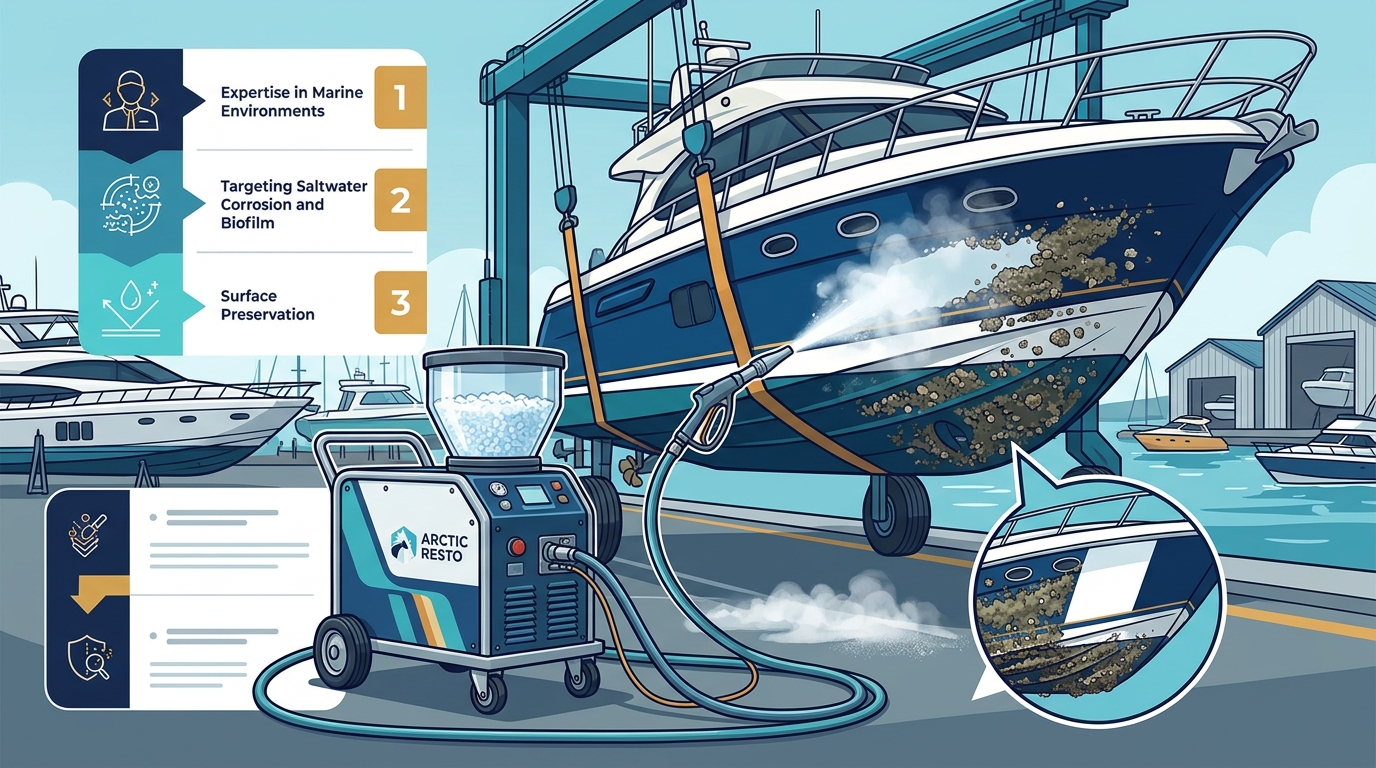
Choosing the right marine cleaning partner requires looking beyond basic marketing claims. A reputable provider must demonstrate specific expertise in the marine environment. Saltwater corrosion and biofilm accumulation require specialized techniques that standard commercial cleaners may not possess. You need a team that understands the delicate balance between aggressive cleaning and surface preservation. according to Oregon State Marine For additional details, review the arcticresto com.
Mobile Capability and Equipment
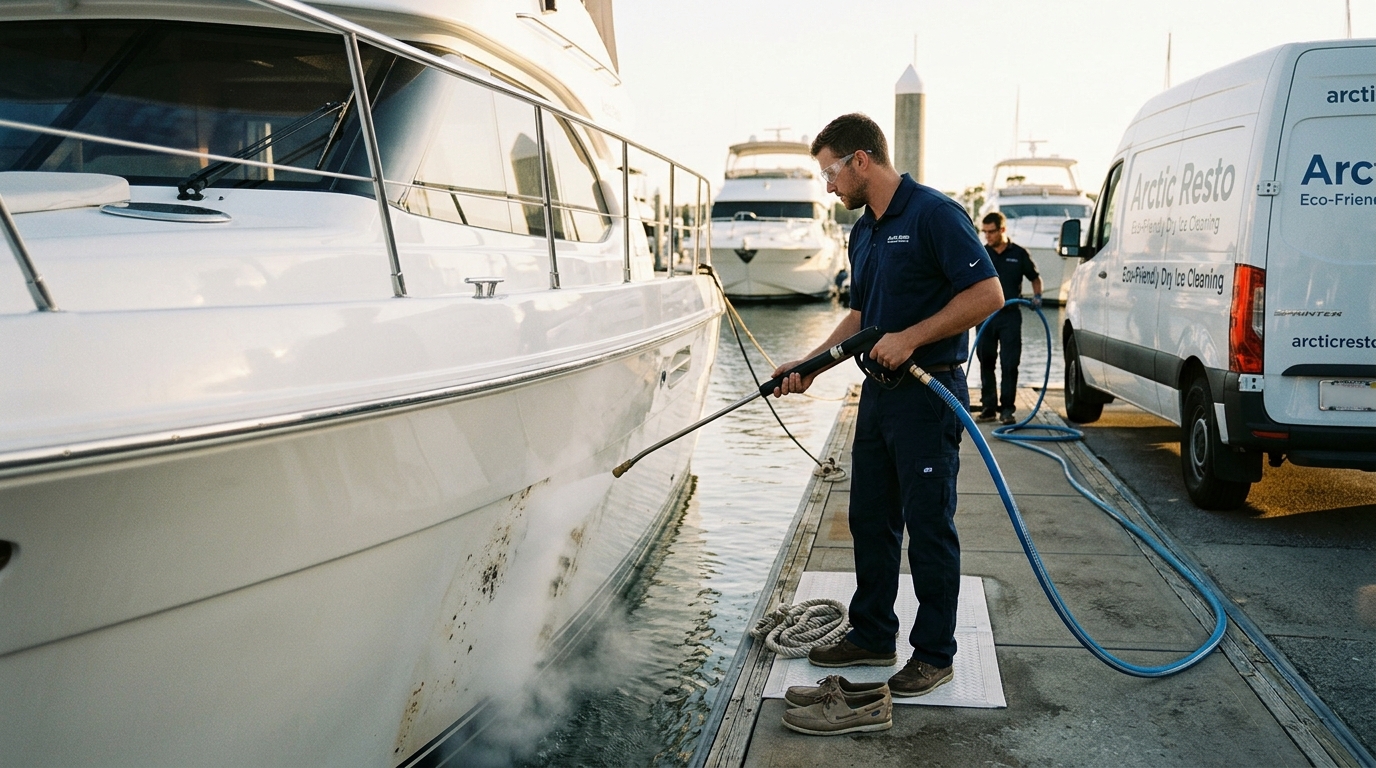
Mobile capability is a critical differentiator. A provider that brings fully outfitted vehicles to your dock or slip eliminates the need for towing. This reduces stress on your vessel and saves significant time. Look for companies that use industrial-grade equipment capable of handling large surface areas efficiently. Arctic Resto utilizes fully outfitted Mercedes Sprinter vans to deliver professional results with minimal downtime. For additional details, review the .
Chemical-Free Methodology
What to Ask Before Committing
Before signing a contract or scheduling a service, you must ask specific questions to gauge the provider's competence. Vague answers are a red flag. You need concrete details about their process, insurance, and experience with your specific type of vessel. For additional details, review the Customer Experience.
Experience with Marine Surfaces
Ask how many boats they have cleaned in the last year. Inquire specifically about their experience with your hull material, whether it is fiberglass, aluminum, or steel. Ask if they have cleaned similar vessels in the same water conditions. A provider with deep marine experience will have specific protocols for different hull types. For additional details, review the Frequently Asked Questions.
Insurance and Liability
Always ask for proof of insurance. You need to know if they carry general liability and property damage coverage. If their equipment damages your boat, who is responsible? A professional service will provide a certificate of insurance upon request. This protects you from financial loss in the unlikely event of an accident. For additional details, review the About.
How to Verify Credentials
Claims of expertise are easy to make but hard to verify. You must take steps to confirm that the provider is legitimate and qualified. This due diligence protects your investment and ensures you are working with a professional entity.
Check Business Registration
Verify that the business is registered in your state. You can check local business registries to confirm their legal standing. Look for any history of complaints or legal issues. A transparent business will not mind you checking their public records. This step helps you avoid unlicensed operators who may lack proper training or insurance.
Review Client Testimonials
Look for reviews from other boat owners. Pay attention to comments about punctuality, communication, and the final result. Ask for references from clients with similar vessels. If possible, speak with a past client to get an unfiltered perspective on the service quality. Consistent positive feedback across multiple platforms is a strong indicator of reliability.
How the Process Works
Understanding the operational sequence helps you prepare for the service. The process is methodical and designed to minimize disruption to your schedule. It typically involves preparation, cleaning, and inspection.
Preparation and Masking
The team arrives and assesses the vessel. They mask sensitive areas such as electronics, windows, and fittings. This protection ensures that the cleaning process does not affect non-target surfaces. They also ensure that the area is clear of bystanders and pets. Safety is a priority throughout the operation.
Application of Dry Ice
Inspection and Handover
After the cleaning is complete, the technician inspects the work. They ensure that all targeted areas are clean and that no damage has occurred. They then remove the masking and restore the area to its original state. You are invited to inspect the results before they leave. This final check ensures your satisfaction with the outcome.
What It Costs
Costs for marine dry ice blasting vary based on several factors. Understanding these drivers helps you budget accurately and avoid surprises. There is no single fixed price for all boats. according to Oregon State Marine
Size and Complexity
The size of the vessel is the primary cost driver. A small runabout costs less than a large yacht. Complexity also matters. A boat with many nooks, crannies, and intricate details takes longer to clean. This increases the labor time and, consequently, the price. The provider will assess these factors during the initial consultation.
Level of Soiling
The amount of dirt, salt, and biofilm on the hull affects the time required. A boat that has been in the water for a long time without cleaning will require more effort. This can increase the cost. Conversely, a boat that is regularly maintained may require less time. The provider will give you a quote based on the visible condition of the vessel.
Common Mistakes to Avoid
Boat owners often make mistakes that compromise the cleaning process or the vessel's integrity. Avoiding these errors ensures a better outcome and protects your investment.
Ignoring Surface Compatibility
One common mistake is assuming that all cleaning methods work on all surfaces. Some aggressive methods can damage certain materials. Always confirm that the provider's method is safe for your specific hull and fittings. A professional will assess compatibility before starting work. This prevents accidental damage that could be costly to repair.
Skipping the Inspection
Another mistake is failing to inspect the work before the provider leaves. If you do not check the results immediately, it is harder to dispute any issues later. Always walk the boat with the technician. Point out any areas that were missed or any concerns you have. This ensures that the provider addresses them before they depart.
Versus Traditional Alternatives
| Method | Water Usage | Chemical Use | Residue | Surface Safety |
|---|---|---|---|---|
| Dry Ice Blasting | None | None | None | High |
| Pressure Washing | High | Often | Runoff | Moderate |
| Manual Scrubbing | Moderate | Often | Residue | High |
Dry ice blasting is superior for sensitive surfaces because it does not use water or chemicals. This makes it ideal for boats where water intrusion or chemical exposure could cause damage. It is also more environmentally friendly, as it produces no runoff.
For Specific Marine Situations
Different marine situations require different approaches. The provider must tailor their service to your specific needs. This ensures that the cleaning is effective and safe.
Pre-Season Preparation
If you are preparing your boat for the season, dry ice blasting is an excellent choice. It removes winter storage grime and salt deposits without damaging the gelcoat. This prepares the surface for painting or polishing. It is a fast and efficient way to get your boat ready for the water.
Post-Season Storage
Before storing your boat for the winter, cleaning is essential. Salt and moisture can cause corrosion and damage during storage. Dry ice blasting removes these elements thoroughly. It leaves the surface dry and clean, reducing the risk of damage during the off-season. This proactive step extends the life of your vessel.
Rules and Protections
Marine cleaning is subject to various regulations and protections. You must be aware of these rules to ensure compliance and protect the environment. These regulations vary by location but generally aim to prevent water pollution.
Environmental Regulations
Liability Protections
Local Specifics and Logistics
Local conditions and logistics can impact the service. Understanding these factors helps you plan effectively. The provider must be able to access your location and work within local constraints.
Access and Docking
Consider how the provider will access your boat. If you are in a marina, you may need to coordinate with the dockmaster. Ensure that the provider can bring their equipment to your slip. Some marinas have restrictions on outside vendors. Check with your marina management in advance to avoid any issues.
Weather Considerations
Weather can affect the cleaning process. Extreme heat or cold may impact the performance of the equipment. The provider will schedule the work to avoid adverse weather conditions. This ensures that the cleaning is effective and safe. You should be flexible with your schedule to accommodate weather delays.
Timing and Scheduling
Timing is crucial for a successful cleaning. You should schedule the service at a time that minimizes disruption to your plans. It also allows for proper drying and inspection.
Seasonal Timing
The best time to clean your boat is during the off-season or before the start of the season. This allows you to address any issues before you start using the boat. It also gives you time to schedule any necessary repairs or maintenance. Cleaning during the peak season may be difficult due to high demand.
Day of the Week
Consider the day of the week when scheduling. Weekends may be busier for the provider. Scheduling on a weekday may result in faster service and better attention. It also allows you to inspect the work without the pressure of a busy weekend. This flexibility can improve your overall experience.
Results Over Time
The benefits of dry ice blasting extend beyond the immediate cleaning. Regular maintenance leads to long-term preservation of your vessel. This protects your investment and enhances its value.
Surface Preservation
By removing corrosive elements and biofilm, dry ice blasting preserves the integrity of the hull. This prevents long-term damage that can be costly to repair. Regular cleaning maintains the appearance and structural soundness of the boat. It is a proactive measure that pays off over time.
Resale Value
A well-maintained boat retains its value better than a neglected one. Regular cleaning and care demonstrate that the owner has taken good care of the vessel. This can increase the resale value when you are ready to sell. It also makes the boat more attractive to potential buyers. A clean and well-kept boat is a selling point.
Key Takeaways
- Arctic Resto provides mobile dry ice blasting for boats using water-free, chemical-free technology.
- Choose a provider with specific marine experience and mobile capability.
- Verify the provider's insurance and business registration before committing.
- The process involves preparation, application of dry ice, and final inspection.
- Costs depend on the size, complexity, and level of soiling of the vessel.
- Dry ice blasting is safer for sensitive surfaces and more environmentally friendly than pressure washing.
- Schedule the service during the off-season or before the start of the season for best results.
- Regular cleaning preserves the hull and maintains the resale value of your boat.
Frequently Asked Questions
Is dry ice blasting safe for fiberglass boats?
Yes, dry ice blasting is safe for fiberglass boats. It does not use water or chemicals that could damage the gelcoat. The process is gentle yet effective, making it ideal for sensitive marine surfaces.
How long does the cleaning process take?
The duration depends on the size and condition of the boat. A small boat may take a few hours, while a large yacht may take a full day. The provider will give you an estimate during the initial consultation.
Do I need to be present during the cleaning?
You do not need to be present for the entire process, but you should be available for the final inspection. This allows you to verify the results and address any concerns before the provider leaves.
Is dry ice blasting environmentally friendly?
Can dry ice blasting remove paint?
Dry ice blasting can remove paint, but it is typically used for cleaning rather than stripping. If you want to remove paint, you should discuss this with the provider to ensure they can achieve your desired result.
How often should I have my boat cleaned?
It is recommended to have your boat cleaned at least once a year, preferably before the start of the season. More frequent cleaning may be necessary if you use the boat regularly in saltwater. Learn more: arcticresto com.