
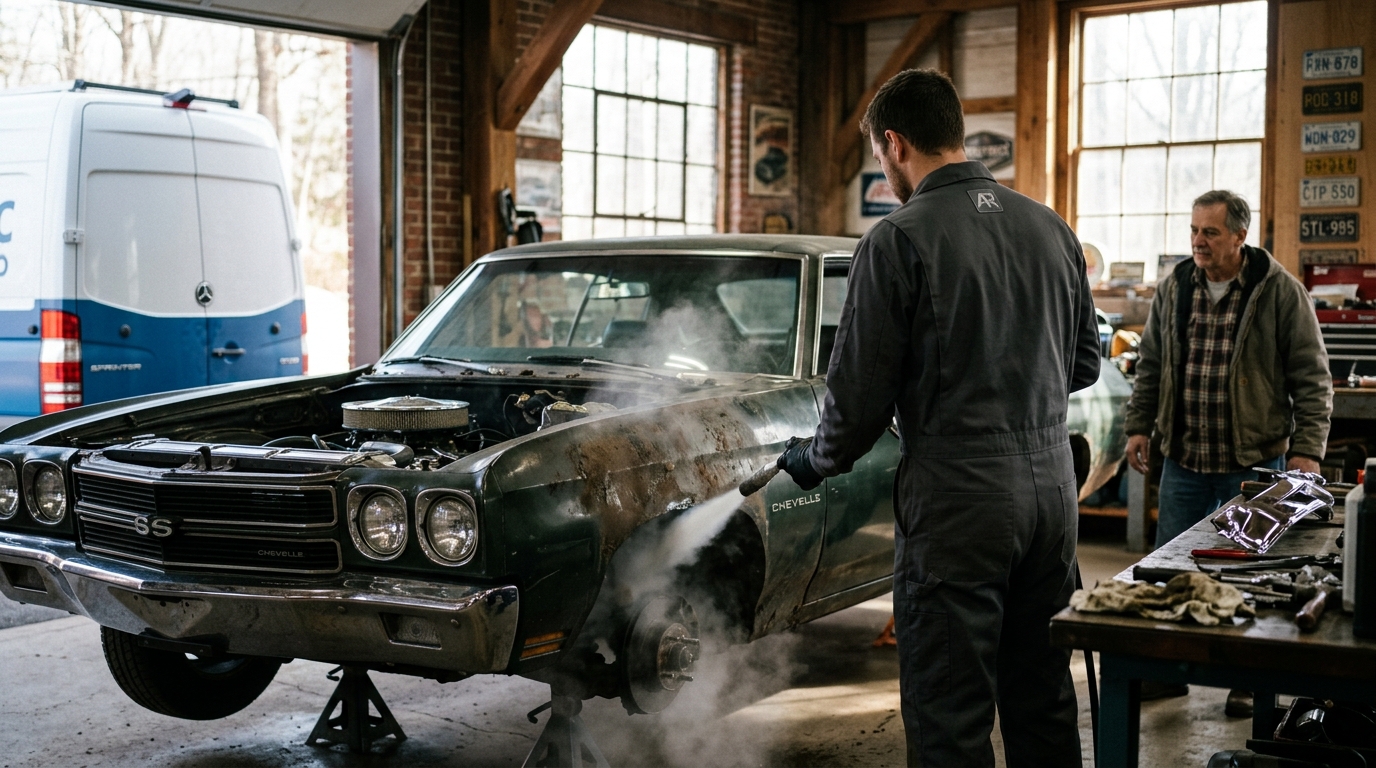
Arctic Resto provides mobile dry ice cleaning for automotive restoration in Connecticut, utilizing fully outfitted Mercedes Sprinter vans to deliver professional, eco-friendly results. This guide covers how to choose a provider, verify credentials, understand costs, and evaluate long-term outcomes for your vehicle restoration project. For additional details, review the arcticresto com.
How to Choose a Provider
Equipment and Logistics
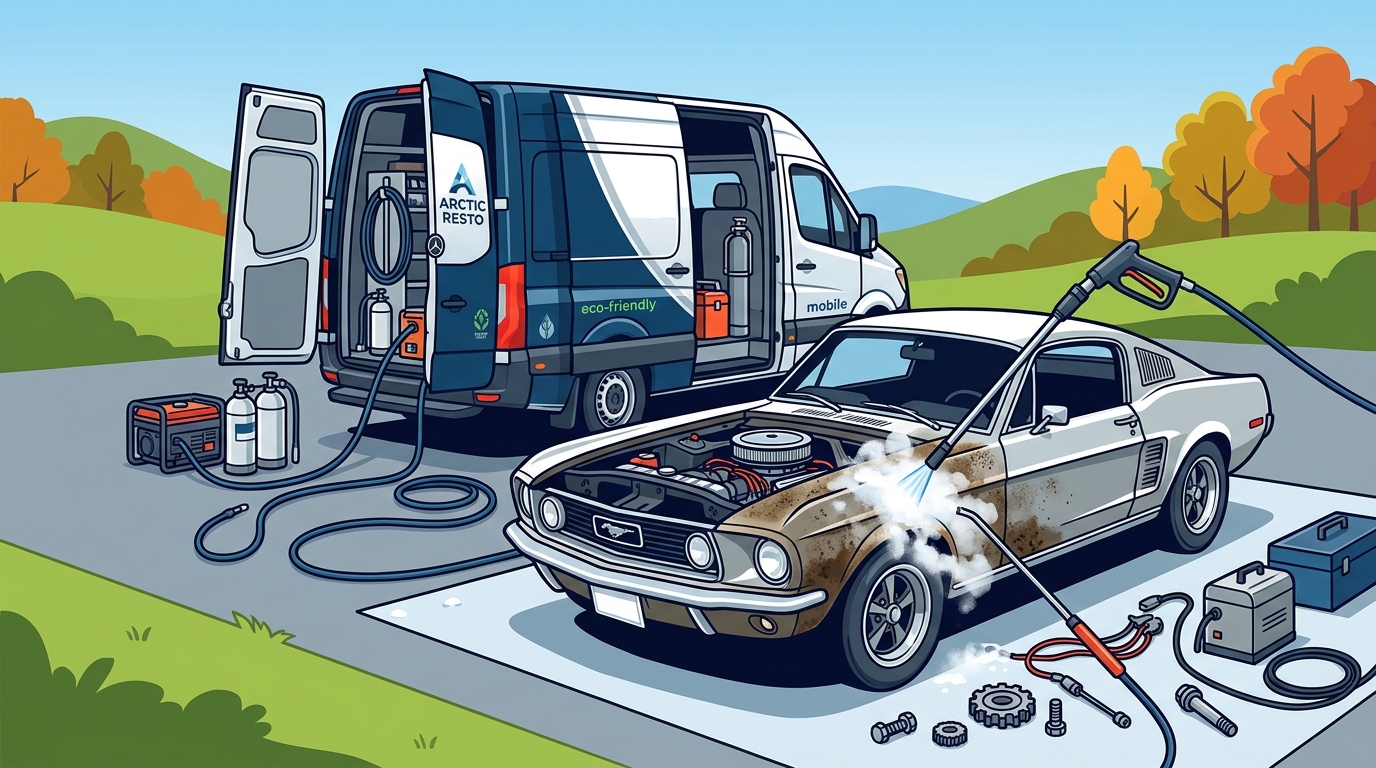
The vehicle used for the service is a critical indicator of professionalism. Arctic Resto utilizes fully outfitted Mercedes Sprinter vans, which provide the necessary power and space for industrial-grade equipment. This setup allows for a self-contained operation that minimizes downtime for the client. A provider that relies on small passenger vehicles or lacks a dedicated mobile unit may struggle with the power requirements of high-volume dry ice blasting. For additional details, review the .
Environmental and Safety Standards
What to Ask Before Committing
Before signing a contract, you must ask specific questions to gauge the provider's expertise and reliability. These questions help filter out generalist cleaners who may not understand the nuances of automotive restoration. For additional details, review the Customer Experience.
- What is the PSI range? Dry ice blasting requires specific pressure settings to remove grime without etching paint or aluminum. Ask if they can adjust the pressure for different materials. For additional details, review the Frequently Asked Questions.
- Do you use compressed air or nitrogen? The gas source affects the cleaning efficiency and the potential for moisture introduction. For additional details, review the About.
- What is your insurance coverage? Ensure they carry liability insurance that covers potential damage to high-value vehicles during the cleaning process.
- How do you handle sensitive components? Ask about their protocols for masking or protecting electronics, rubber seals, and glass.
How to Verify Credentials
Claims of expertise must be backed by verifiable credentials. In the industrial cleaning sector, certification is a key differentiator. Industrial dry ice blasting is a specialized trade that often requires specific training and safety certifications to operate the equipment safely. Look for providers who can document their training history and safety protocols.
Check for business registration and insurance certificates. A legitimate franchise or established business will have a verifiable track record. You can also request references from previous automotive clients. Speaking with past clients about their experience with the provider's punctuality and attention to detail is a reliable way to assess service quality.
How the Process Works
Understanding the workflow helps you plan your restoration schedule. The process is designed to be efficient, allowing the vehicle to be returned to service quickly.
Step 1: Assessment and Masking
The technician arrives at your location and assesses the vehicle. They identify areas that require masking, such as headlights, badges, or sensitive mechanical parts. This step ensures that only the targeted surfaces are exposed to the blasting process.
Step 2: The Blasting Process
Step 3: Inspection and Cleanup
After blasting, the technician inspects the surface to ensure many contaminants are removed. Any remaining dust is vacuumed away. The vehicle is then ready for the next stage of restoration, such as polishing or painting.
What It Costs
Pricing for mobile dry ice cleaning varies based on several factors. Understanding these drivers helps you budget accurately for your project.
| Factor | Impact on Cost | Details |
|---|---|---|
| Vehicle Size | High | Larger vehicles like trucks or buses require more time and material. |
| Contaminant Type | Medium | Heavy industrial grease or baked-on tar takes longer to remove than light dust. |
| Location | Low | Travel time within the service area may affect the final quote. |
| Complexity | Medium | Vehicles with intricate details or sensitive electronics require more masking time. |
Arctic Resto provides customized quotes based on the specific needs of your vehicle. Request a detailed estimate that breaks down labor, materials, and travel costs.
Common Mistakes to Avoid
Even with a good provider, certain mistakes can compromise the results. Avoid these common pitfalls to ensure a successful restoration.
Skipping the Assessment
Do not assume the technician knows what you want. Clearly communicate your goals, such as removing old paint or degreasing an engine bay. Miscommunication can lead to unsatisfactory results.
Ignoring Masking Protocols
Ensure that all sensitive areas are properly masked. Failure to do so can result in damage to glass, rubber, or electronics. Trust the provider's expertise but verify their masking plan before work begins.
Choosing the Cheapest Option
Low prices often correlate with lower quality equipment or less experienced technicians. In automotive restoration, the cost of repairing damage caused by improper cleaning can far exceed the savings from a cheap service.
Versus Traditional Alternatives
| Method | Abrasive | Chemical Use | Residue | Best For |
|---|---|---|---|---|
| Dry Ice Blasting | No | No | None | Paint removal, degreasing, delicate surfaces |
| Sandblasting | Yes | No | Yes | Heavy rust removal, metal preparation |
| Chemical Stripping | No | Yes | Yes | Full paint removal, complex shapes |
| Pressure Washing | No | Optional | Water | General exterior cleaning |
Dry ice blasting is non-abrasive, making it safe for aluminum, fiberglass, and painted surfaces. It is also environmentally friendly, as the dry ice sublimates and leaves no waste behind.
For Specific Restoration Situations
The application of dry ice cleaning varies depending on the specific restoration task. Here is how it applies to common automotive scenarios.
Engine Bay Degreasing
Dry ice blasting is ideal for removing heavy grease and oil from engine components. It cleans without disassembling the engine, saving significant labor costs. The lack of water and chemicals prevents corrosion of electrical connectors.
Paint and Coating Removal
For removing old paint or clear coat, dry ice blasting is a precise tool. It can remove coatings without damaging the underlying metal or primer. This makes it suitable for preparing surfaces for new paint jobs.
Interior and Upholstery
While primarily used for exteriors and mechanical parts, dry ice can also be used for certain interior applications. It is effective for removing stains and odors from carpets and upholstery without the moisture that can lead to mold.
Rules and Protections
Working with a professional provider ensures that your project complies with local regulations and industry standards. Environmental compliance is a key aspect of dry ice cleaning, as it produces no hazardous waste. The sublimation of dry ice means there is no disposal issue, unlike chemical strippers or abrasive media.
Ensure the provider follows safety protocols for handling compressed air and dry ice. Proper ventilation and protective gear are essential for the technician's safety. A reputable company will have documented safety procedures in place.
Local Specifics for Connecticut
Connecticut's climate and local regulations can impact your restoration project. The state experiences cold winters and humid summers, which can affect the storage and handling of vehicles. Dry ice cleaning is a year-round solution that is not affected by weather conditions, unlike some outdoor cleaning methods.
Arctic Resto serves the Connecticut area, providing local expertise and quick response times. Local providers understand the specific challenges of the region, such as road salt damage and humidity-related corrosion. Choosing a local service ensures that the provider is familiar with the local environment and can tailor their approach accordingly.
Timing Your Service
Timing is a critical factor in automotive restoration. Scheduling your dry ice cleaning at the right stage of the project can save time and money. For example, cleaning the engine bay before reassembling components is more efficient than cleaning after assembly.
Consider the overall timeline of your restoration. If you are planning to paint the vehicle, dry ice blasting should be done before the painting process. This ensures a clean surface for the new paint. Coordinate with your painter or body shop to schedule the cleaning at the optimal time.
Results Over Time
The benefits of dry ice cleaning extend beyond the immediate project. By using a non-abrasive method, you preserve the integrity of the vehicle's surfaces. This can extend the life of the vehicle and maintain its value. Regular maintenance using dry ice cleaning can prevent the buildup of contaminants that cause long-term damage.
Arctic Resto focuses on delivering professional results that last. The eco-friendly nature of the service also aligns with modern sustainability goals. By choosing a responsible cleaning method, you contribute to a cleaner environment while achieving your restoration objectives.
Key Takeaways
- Dry ice blasting is non-abrasive, water-free, and chemical-free, making it safe for delicate automotive surfaces.
- Verify the provider's equipment, insurance, and training credentials before committing.
- Costs depend on vehicle size, contaminant type, and complexity of the job.
- Dry ice cleaning is environmentally friendly, as the pellets sublimate and leave no residue.
- Proper masking and assessment are crucial to avoid damage to sensitive components.
- Scheduling the cleaning at the right stage of restoration optimizes efficiency and results.
Frequently Asked Questions
Does dry ice blasting damage car paint?
No, dry ice blasting is non-abrasive. The pellets are softer than the paint and sublimate upon impact, leaving no residue or damage to the underlying surface.
Can dry ice cleaning remove rust?
Dry ice blasting can remove light surface rust and oxidation. For heavy rust, it may need to be combined with other methods, but it is effective for preparing surfaces for painting.
Is dry ice cleaning safe for electronics?
Yes, when proper masking is used. The process is water-free and chemical-free, which prevents corrosion of electrical components. The technician will mask sensitive areas to ensure safety.
How long does a typical job take?
The duration depends on the size of the vehicle and the extent of the cleaning. A full engine bay degrease might take a few hours, while a full exterior paint removal could take longer.
Do I need to be present during the cleaning?
It is recommended that you be present for the initial assessment and masking review. However, you do not need to stay for the entire blasting process.
Is dry ice cleaning eco-friendly?
Yes, dry ice is carbon dioxide, which sublimates into gas. It leaves no waste, chemicals, or water behind, making it a sustainable cleaning option.
Conclusion
Choosing the right mobile dry ice cleaning service is essential for a successful automotive restoration in Connecticut. Arctic Resto provides the expertise, equipment, and eco-friendly technology needed to deliver professional results. By following the guidelines in this guide, you can select a provider that meets your specific needs and ensures the longevity of your vehicle. Contact Arctic Resto to schedule your mobile dry ice cleaning service today. Learn more: arcticresto com.