

1. Surface Preservation and Structural Integrity
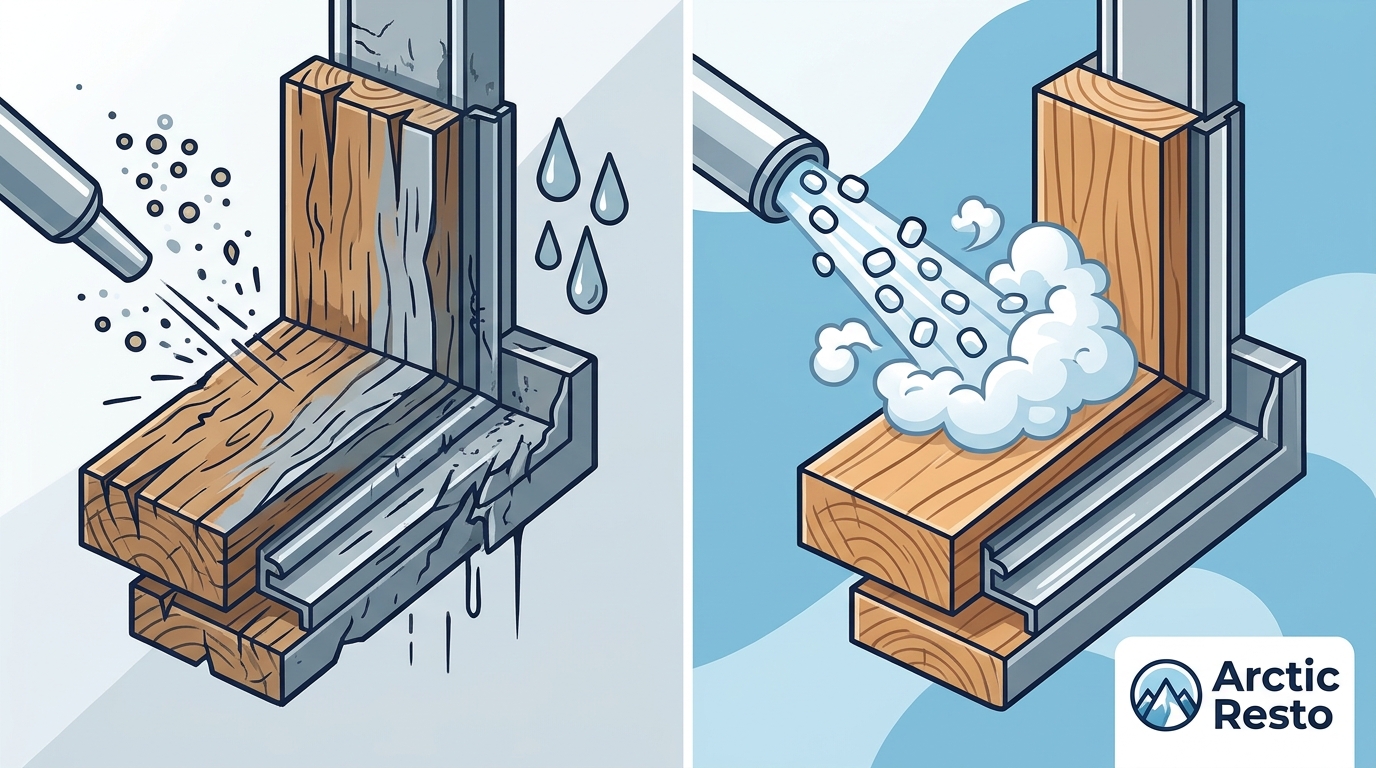
Dry ice cleaning is a non-abrasive process that removes contaminants without damaging the underlying material. Traditional methods like sandblasting or chemical stripping can erode metal, wood, or concrete over time. The sublimation of dry ice pellets provides a gentle yet effective cleaning action. This preserves the original finish and structural strength of your property components.
2. Zero Residue and Minimal Downtime
The sublimation process eliminates the need for secondary cleanup, significantly reducing project downtime. Dry ice pellets turn into gas at minus 109 degrees Fahrenheit, leaving no solid waste behind. This means no disposal costs and no hazardous waste handling. Your facility can return to full operation immediately after the cleaning is complete.
3. Long-Term Mold and Mildew Prevention
Removing organic contaminants at the source helps prevent the recurrence of mold and mildew in damp environments. Connecticut's humid summers and cold winters create ideal conditions for biological growth. Dry ice cleaning penetrates porous surfaces to remove the root causes of these issues. This proactive approach reduces the frequency of future remediation efforts.
4. Improved Energy Efficiency in HVAC Systems
Clean HVAC coils and heat exchangers operate more efficiently, lowering long-term energy costs. Accumulated dust and grime act as insulation, forcing systems to work harder. By restoring optimal airflow and heat transfer, dry ice cleaning enhances system performance. This results in measurable savings on utility bills over the lifespan of the equipment.
5. Extended Equipment Lifespan
Regular dry ice cleaning extends the operational life of industrial machinery and building systems. Contaminants cause wear and tear on moving parts and sensitive components. Removing these deposits reduces friction and heat buildup. This preventive maintenance strategy delays the need for costly replacements and major repairs.
6. Enhanced Safety and Regulatory Compliance
Chemical-free cleaning reduces workplace hazards and helps maintain compliance with environmental regulations. Eliminating harsh solvents lowers the risk of employee exposure and accidental spills. This creates a safer working environment for your staff. It also simplifies the documentation required for environmental health and safety audits.
7. Sustainable Environmental Impact
Choosing the Right Approach
Select the cleaning method that best matches your specific asset type and maintenance goals. For delicate surfaces or sensitive equipment, prioritize non-abrasive options. For heavy industrial grime, evaluate the depth of cleaning required. Always consider the long-term cost of maintenance versus the initial investment.
Frequently Asked Questions
Is dry ice cleaning safe for many property surfaces?
Yes, dry ice cleaning is generally safe for most surfaces including metal, wood, concrete, and plastics. It is non-abrasive and does not require water or chemicals. However, a professional assessment is recommended for highly sensitive or antique materials.
How long do the results of dry ice cleaning last?
The results last as long as the surface is protected from new contaminants. Because the cleaning is thorough and non-abrasive, the underlying surface remains intact. Regular maintenance schedules can extend the benefits for years.
Does dry ice cleaning require water?
No, dry ice cleaning is a completely dry process. It relies on the sublimation of carbon dioxide pellets to remove dirt and grime. This makes it ideal for areas where water damage is a concern.
Can dry ice cleaning be performed while equipment is running?
In many cases, yes. Dry ice cleaning can often be performed on live equipment without the need for disassembly. This capability significantly reduces downtime for industrial operations.
Is dry ice cleaning environmentally friendly?
Yes, it is considered an eco-friendly cleaning method. It produces no chemical waste and uses no water. The carbon dioxide used is a byproduct of industrial processes and is naturally present in the atmosphere. Learn more: arcticresto com.