
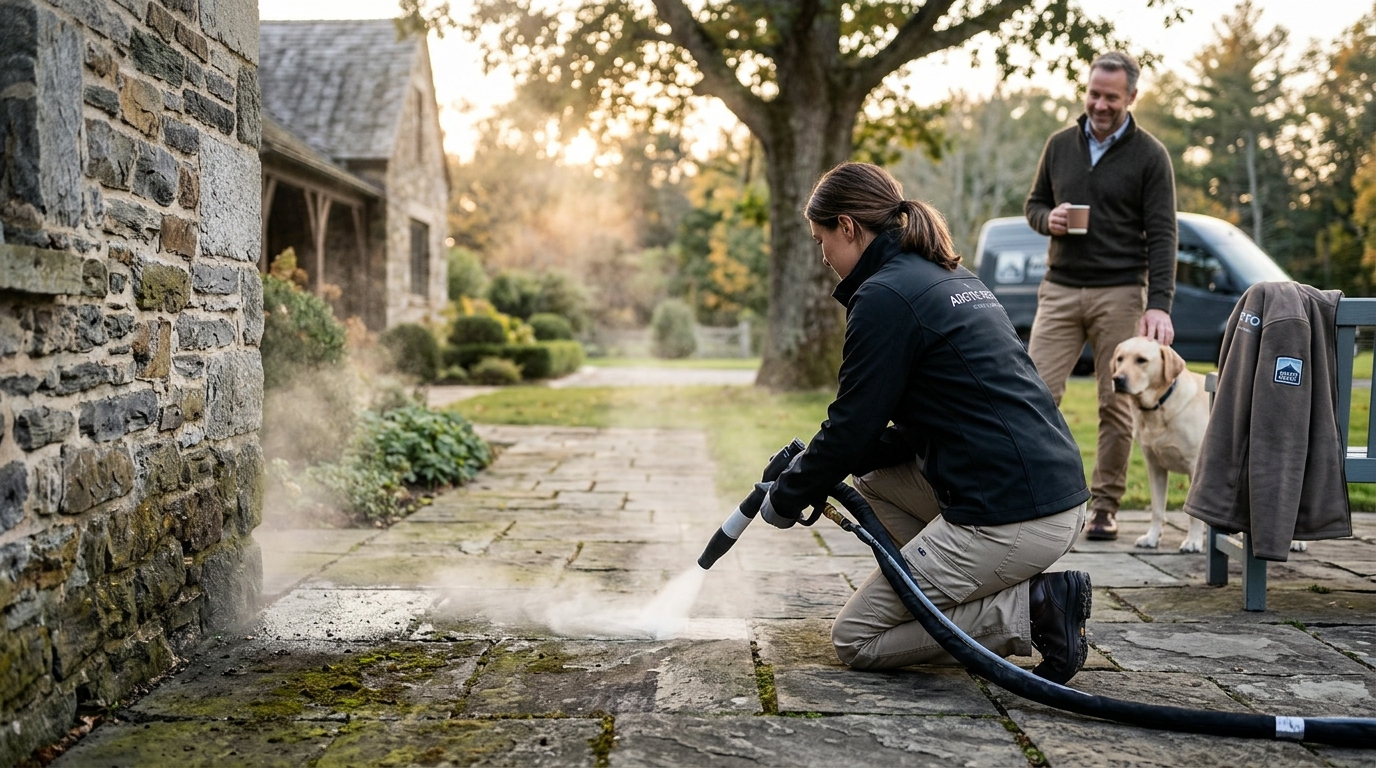
Arctic Resto provides mobile dry ice cleaning services that protect asset integrity while eliminating the need for harsh chemicals or abrasive media. By utilizing sublimating ice particles, this method removes contaminants without causing secondary waste or surface damage. This approach ensures that your property maintains its structural and aesthetic value over the long term. For additional details, review the arcticresto com.
1. Prevents Surface Erosion and Micro-Scratching
Dry ice blasting is a non-abrasive cleaning method that preserves the original surface finish. Traditional methods like sandblasting or wire brushing can leave microscopic scratches that trap dirt and accelerate wear. Dry ice particles are soft enough to clean without altering the substrate, ensuring that metal, wood, or concrete surfaces remain intact. This preservation is critical for maintaining the long-term durability of industrial equipment and architectural features.
2. Eliminates Secondary Waste and Disposal Costs
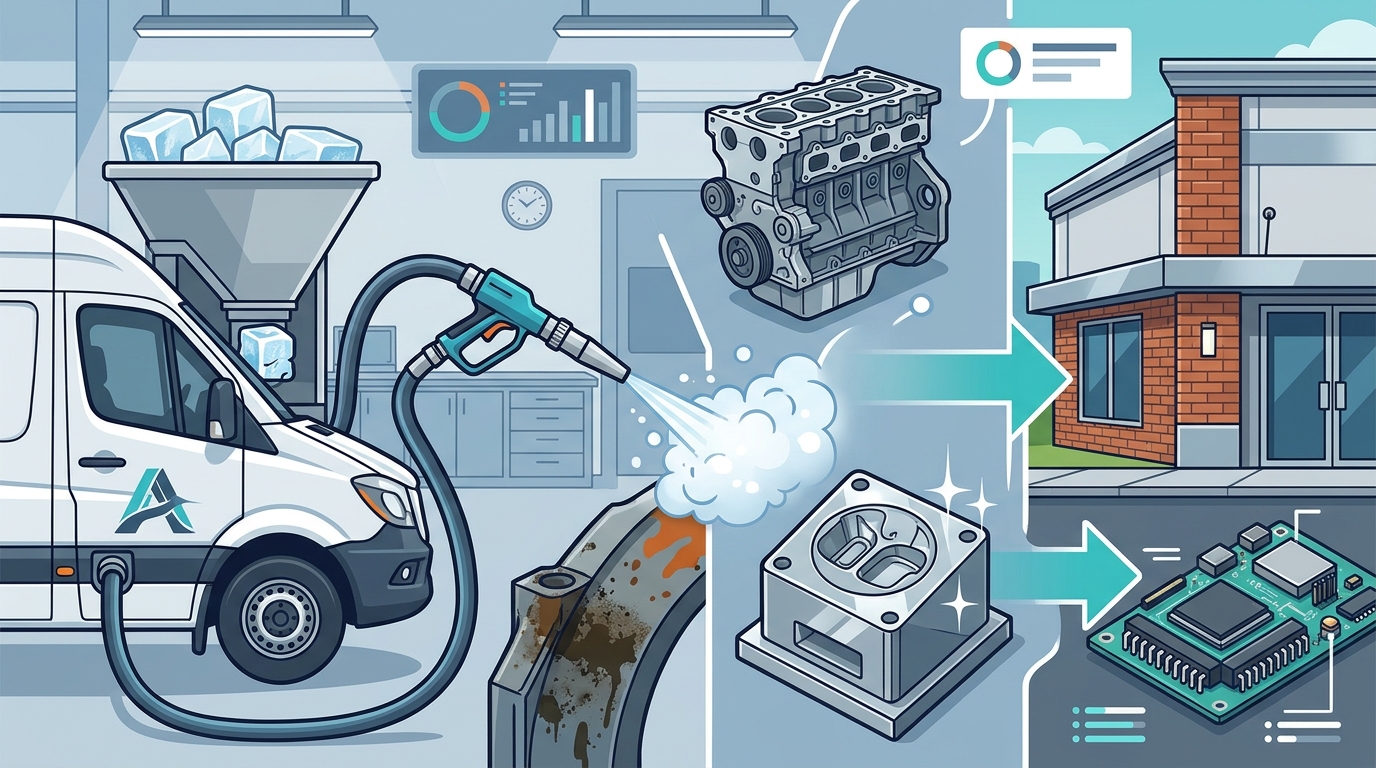
The sublimation process converts solid ice directly into gas, leaving no residue behind. Unlike sand or soda blasting, which requires the collection and disposal of spent media, dry ice vanishes upon impact. This characteristic significantly reduces the volume of waste generated during cleaning operations. For property managers, this means lower disposal fees and a cleaner work environment immediately after service completion.
3. Reduces Corrosion and Oxidation on Metal Assets
Removing contaminants early prevents the chemical reactions that lead to rust and corrosion. Grease, oil, and biological growth can trap moisture against metal surfaces, accelerating degradation. By thoroughly removing these layers, dry ice cleaning exposes the metal to a cleaner environment. This proactive approach extends the lifespan of machinery and structural components, reducing the frequency of costly repairs or replacements.
4. Enhances Energy Efficiency in HVAC and Cooling Systems
Clean heat exchangers and coils transfer thermal energy more effectively than dirty ones. Accumulated dust and debris act as insulation, forcing HVAC systems to work harder to maintain desired temperatures. Arctic Resto’s mobile units can access rooftop units and indoor coils to remove this buildup. Improved airflow and heat transfer result in lower energy consumption and reduced strain on mechanical components over time.
5. Preserves Historical and Aesthetic Architectural Details
6. Improves Indoor Air Quality by Removing Biological Growth
Eliminating mold, mildew, and bacteria at the source improves overall environmental health. Contaminants in ventilation systems or on porous surfaces can release spores and particulates into the air. Dry ice blasting effectively removes these biological agents without the risk of cross-contamination associated with water-based cleaning. This contributes to a healthier indoor environment for occupants and reduces the potential for health-related issues.
7. Minimizes Downtime Through Mobile On-Site Service
Mobile cleaning units allow for rapid deployment and minimal disruption to operations. Arctic Resto utilizes fully outfitted Mercedes Sprinter vans to bring the cleaning equipment directly to your site. This eliminates the need to transport large assets to a fixed facility. The ability to clean in place ensures that production lines, commercial spaces, or residential areas remain operational with minimal interruption.
Choosing the Right Approach for Your Property
Frequently Asked Questions
Is dry ice cleaning safe for all types of surfaces?
Dry ice cleaning is generally safe for a wide variety of materials, including metal, wood, concrete, and painted surfaces. Because it is non-abrasive, it does not scratch or erode the substrate. However, it is always recommended to perform a test on a small, inconspicuous area before full-scale application to ensure compatibility with specific finishes or coatings.
How does dry ice cleaning differ from sandblasting?
The primary difference is that dry ice is non-abrasive, while sand is abrasive. Sandblasting removes material from the surface to clean it, which can cause wear and damage over time. Dry ice cleaning removes contaminants through thermal shock and sublimation, leaving the original surface intact. This makes dry ice suitable for preserving the integrity of the asset being cleaned.
Does dry ice cleaning require water?
No, dry ice cleaning is a water-free process. The cleaning action is achieved through the impact of the ice particles and the rapid sublimation that occurs upon contact with the surface. This makes it an ideal solution for environments where water usage is restricted or where electrical equipment is present.
What happens to the dry ice after it hits the surface?
The dry ice particles sublimate, meaning they change directly from a solid state to a gas. This process leaves no residue, spent media, or secondary waste behind. The gas dissipates into the air, making cleanup significantly faster and simpler compared to methods that use solid media like sand or soda.
Can mobile dry ice cleaning be performed on-site?
Is dry ice cleaning environmentally friendly?
Dry ice is made from carbon dioxide, a naturally occurring gas. The process does not use harsh chemicals or generate hazardous waste. The sublimation of the ice returns the carbon dioxide to the atmosphere, where it is part of the natural carbon cycle. This makes it a sustainable alternative to chemical-based cleaning agents.
Conclusion
Arctic Resto delivers professional mobile dry ice cleaning services that protect your property’s long-term value. By choosing a non-abrasive, water-free, and chemical-free approach, you ensure that your assets remain in optimal condition. To schedule an assessment or learn more about our mobile units, visit Arctic Resto. Learn more: arcticresto com.