
How to Choose a Provider
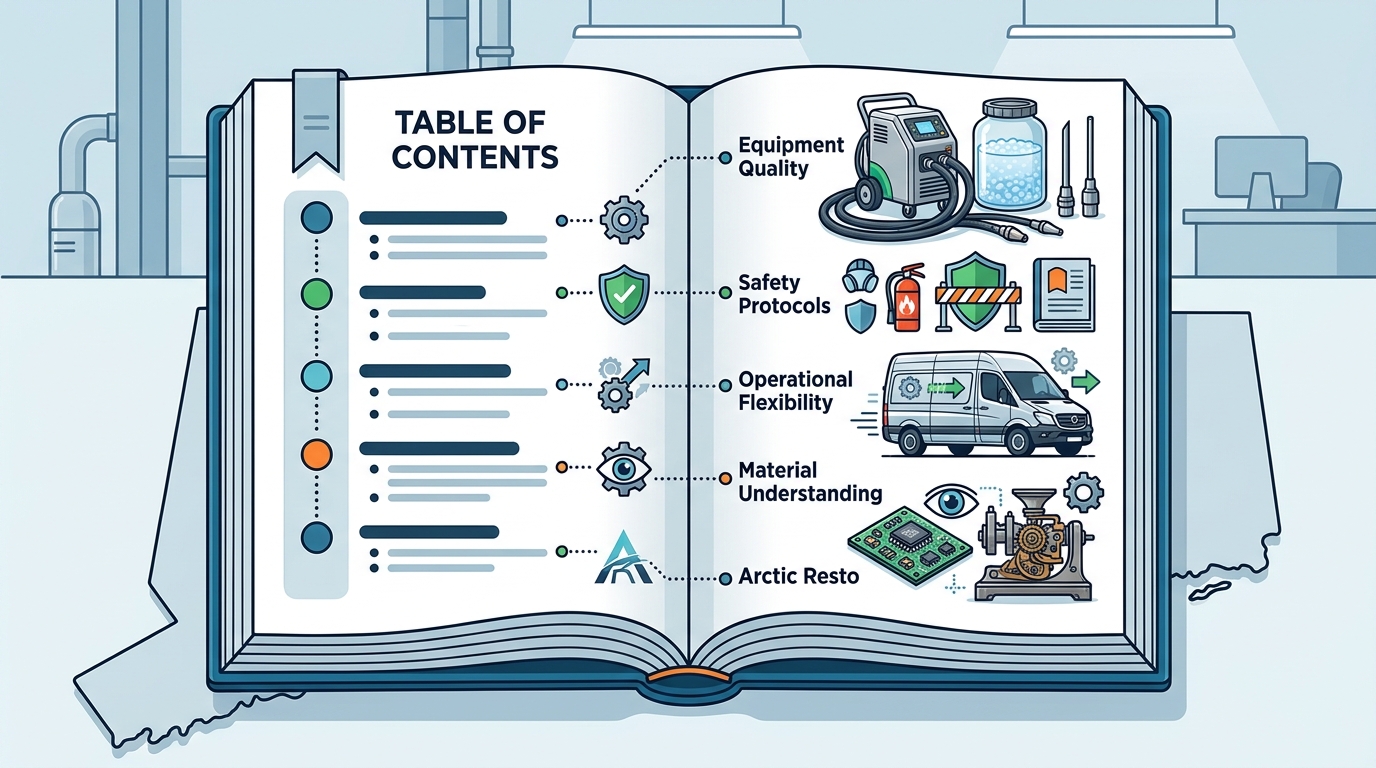
Selecting the right mobile dry ice cleaning partner requires looking beyond basic availability. A high-quality provider distinguishes itself through equipment quality, safety protocols, and operational flexibility. You need a team that understands the specific materials in your facility, such as sensitive electronics or delicate machinery. For additional details, review the arcticresto com.
Equipment and Technology
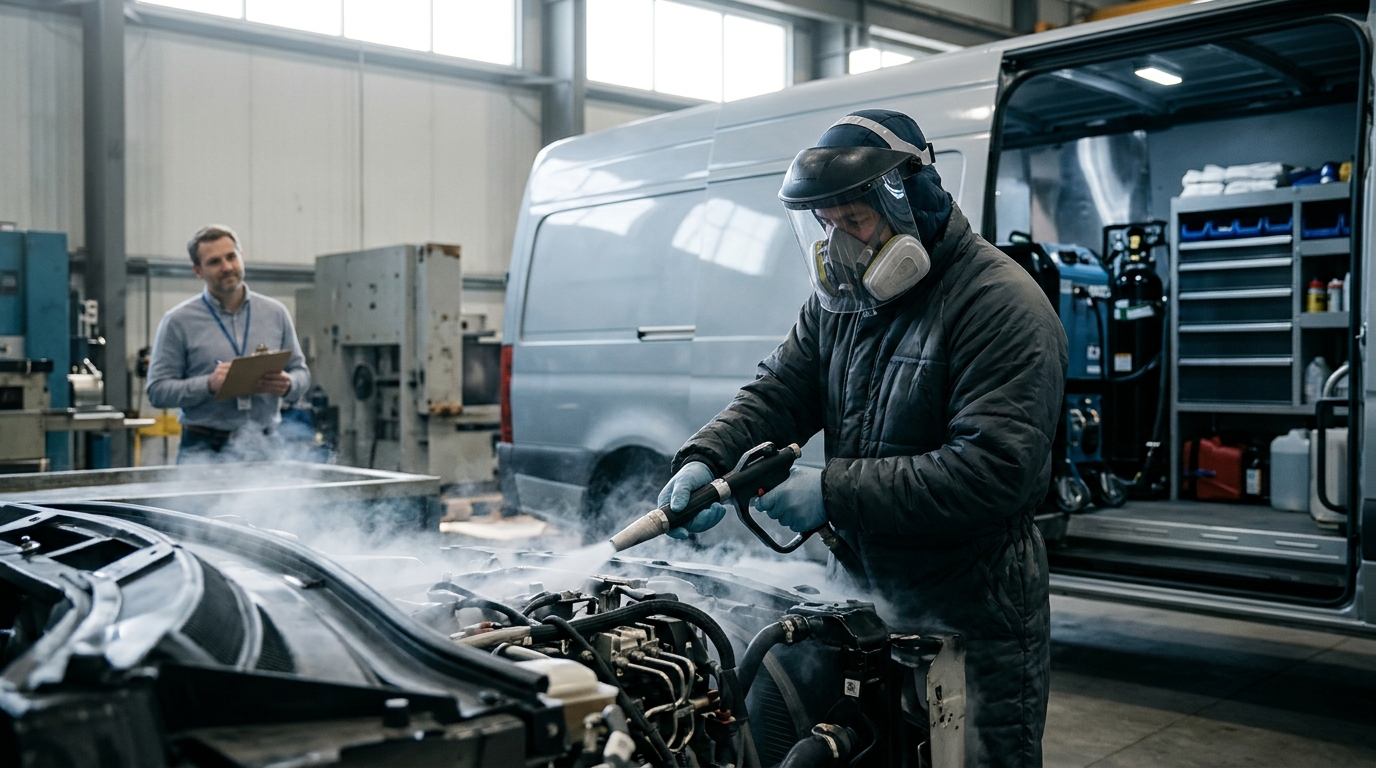
Look for providers using industrial-grade, fully outfitted vehicles. Arctic Resto utilizes Mercedes Sprinter vans equipped with water-free, chemical-free technology. This ensures the service is safe for families, pets, and sensitive environments. The vehicle should be self-contained, allowing for immediate deployment without needing access to your facility's water or power sources. For additional details, review the .
Experience and Specialization
Generalist cleaners may lack the specific training required for dry ice blasting. Verify that the provider has experience with your specific industry. For example, a provider experienced in food processing plants will understand the strict hygiene standards required in that sector. Specialization reduces the risk of damage to your assets. For additional details, review the Customer Experience.
Questions to Ask Before Committing
Before signing a contract, you must ask specific questions to gauge the provider's competence. These questions reveal their operational depth and commitment to safety. For additional details, review the Frequently Asked Questions.
- How do you handle waste disposal? Dry ice sublimates into gas, leaving no residue. Confirm that the provider has a plan for any non-sublimating contaminants removed from your equipment. For additional details, review the About.
- What is your response time? For emergency breakdowns, speed is critical. Ask about their availability for same-day or next-day service.
- Do you provide a written report? A professional service should document the areas cleaned, the settings used, and the results achieved.
Verifying Credentials and Claims
Do not take marketing claims at face value. You must verify that the provider's credentials are real and current. This step protects your business from fraud and substandard work.
Check Insurance and Licensing
Request a current Certificate of Insurance (COI). Verify the policy limits and expiration date directly with the insurance carrier if possible. In Connecticut, ensure the provider is licensed to operate in the state. This is a basic but critical step in due diligence.
Review References and Case Studies
Ask for three to five references from clients in your specific industry. Call them and ask about the quality of work, communication, and adherence to schedule. Look for case studies on the provider's website that detail specific challenges they solved. Arctic Resto positions itself as a provider of future-forward, sustainable cleaning solutions, and their portfolio should reflect this commitment to precision.
The Cleaning Process Explained
Understanding the workflow helps you plan for minimal downtime. The process is systematic and designed to be non-abrasive.
Preparation and Safety
The technician arrives and assesses the area. They set up safety barriers and ensure personnel are clear of the immediate blast zone. The equipment is calibrated to the specific material being cleaned. This step ensures that the cleaning is effective without causing damage.
Blasting and Sublimation
Compressed air propels dry ice pellets at high velocity. Upon impact, the pellets shatter and then instantly sublimate from solid to gas. This phase change creates a micro-explosion that lifts dirt, grease, and grime off the surface. Because the dry ice turns to gas, there is no secondary waste to clean up. The process is water-free, preventing rust and corrosion on metal surfaces.
Post-Cleaning Inspection
After blasting, the technician inspects the surface to ensure all contaminants are removed. They then pack up the equipment and leave the site. The entire process is typically faster than traditional cleaning methods, reducing downtime for your operations.
Cost Factors and Budgeting
Mobile dry ice cleaning is a premium service, and understanding cost drivers helps you budget accurately. Prices vary based on several key factors.
| Factor | Impact on Cost | Details |
|---|---|---|
| Surface Area | High | Larger areas require more time and dry ice consumption. |
| Contaminant Type | Medium | Heavy grease or baked-on carbon may require multiple passes. |
| Accessibility | Medium | Hard-to-reach areas or confined spaces increase labor time. |
| Urgency | High | Emergency or after-hours service typically carries a premium. |
Request a detailed quote that breaks down labor, materials, and travel fees. Avoid providers who give vague, flat-rate quotes without explaining the variables. A transparent pricing structure is a sign of a professional operation.
Common Mistakes to Avoid
Businesses often make errors that compromise the effectiveness of the cleaning or expose them to liability. Avoid these common pitfalls.
Skipping the Walkthrough
Never allow a technician to start work without a joint walkthrough. Identify sensitive components, electrical connections, and areas that must not be blasted. This prevents accidental damage and sets clear expectations.
Ignoring Safety Protocols
Choosing the Cheapest Bid
The lowest bid often reflects lower quality equipment or insufficient insurance. In the long run, substandard cleaning can lead to equipment failure, which is far more expensive than the initial cleaning cost. Prioritize quality and safety over price.
Dry Ice vs. Other Methods
Compared to Water Jetting
Compared to Sandblasting
Industry-Specific Applications
The application of dry ice cleaning varies by industry. Tailoring the service to your specific needs ensures optimal results.
Food and Beverage
In food processing, hygiene is paramount. Dry ice blasting is ideal for cleaning conveyors, mixers, and packaging lines. It is non-toxic and leaves no chemical residue, making it safe for food contact surfaces. It also reduces the need for water, which can harbor bacteria.
Manufacturing and Automotive
In manufacturing, dry ice blasting is used to clean molds, dies, and machinery. It removes grease, oil, and carbon buildup without disassembling the equipment. This reduces downtime and maintenance costs. In the automotive sector, it is used for cleaning engines, transmissions, and body panels.
Regulations and Safety Protections
Operating a mobile dry ice cleaning service involves compliance with various regulations. Understanding these protections ensures a safe and legal operation.
OSHA Compliance
The Occupational Safety and Health Administration (OSHA) sets standards for workplace safety. Providers must comply with these standards, including the use of PPE and proper ventilation. Ensure that your provider is OSHA-compliant and can provide documentation of their safety training.
Environmental Regulations
Dry ice is carbon dioxide, which is a natural component of the atmosphere. It does not contribute to ozone depletion or global warming in the same way as synthetic refrigerants. However, providers must manage the release of CO2 in enclosed spaces to prevent asphyxiation risks. Proper ventilation is essential.
Connecticut Local Considerations
Connecticut has specific environmental and operational considerations that affect mobile cleaning services. Being aware of these factors helps you choose a provider that is well-suited to the local context.
Weather and Seasonality
Connecticut experiences cold winters, which can affect the handling of dry ice. Dry ice sublimates faster in cold, dry air, so providers must manage their inventory carefully. A local provider will be experienced in handling these seasonal variations. They will also be familiar with local road conditions and travel times, ensuring punctual arrival.
Local Regulations
Connecticut has strict environmental regulations. Providers must comply with state and local rules regarding waste disposal and emissions. Choose a provider that is familiar with these regulations and has a track record of compliance. This ensures that your business is not exposed to regulatory risk.
Optimal Timing for Service
Timing your cleaning service can impact both cost and effectiveness. Plan your maintenance schedule strategically.
Preventive Maintenance
Schedule regular cleaning to prevent the buildup of contaminants. This is more cost-effective than emergency cleaning. For example, cleaning a conveyor belt monthly is easier and cheaper than cleaning it after a year of heavy use. Preventive maintenance also extends the life of your equipment.
Emergency Response
Long-Term Results and Maintenance
The benefits of dry ice cleaning extend beyond the immediate clean. Long-term use leads to measurable improvements in equipment performance and operational efficiency.
Extended Equipment Life
Regular cleaning prevents the accumulation of corrosive contaminants. This extends the lifespan of your machinery and reduces the need for costly repairs. By keeping equipment clean, you also improve its energy efficiency, leading to lower utility bills.
Improved Product Quality
In manufacturing and food processing, clean equipment leads to higher product quality. Contaminants can affect the taste, texture, and safety of your products. Dry ice blasting ensures that your equipment is free from these contaminants, resulting in a consistent and high-quality output.
Key Takeaways
- Choose a provider with industrial-grade equipment, proper insurance, and industry-specific experience.
- Verify credentials by checking insurance certificates and contacting references.
- Costs are driven by surface area, contaminant type, accessibility, and urgency.
- Avoid common mistakes such as skipping the walkthrough and choosing the cheapest bid.
- Dry ice blasting is non-abrasive and leaves no waste, unlike sandblasting or water jetting.
- Connecticut providers must navigate local weather and environmental regulations.
- Regular preventive maintenance extends equipment life and improves product quality.
Frequently Asked Questions
Is dry ice blasting safe for electrical components?
Yes, dry ice is a non-conductive solid. It is safe for cleaning electrical components, provided that the area is dry and the equipment is de-energized. The sublimation process leaves no residue that could cause short circuits.
How long does a typical cleaning job take?
The duration depends on the size of the area and the type of contaminants. A small machine might take an hour, while a large production line could take several days. The provider should give you a time estimate during the initial assessment.
Does dry ice blasting damage surfaces?
No, dry ice blasting is non-abrasive. It is gentle enough for delicate surfaces like glass, plastic, and painted metal. It removes contaminants without altering the surface finish.
What is the environmental impact of dry ice?
Dry ice is carbon dioxide, which is a natural gas. It does not contribute to ozone depletion. The CO2 released during sublimation is the same as what is released by natural processes. It is considered an environmentally friendly cleaning agent.
Can I use dry ice blasting on food contact surfaces?
Yes, dry ice is non-toxic and leaves no chemical residue. It is approved for use on food contact surfaces by the FDA. It is a popular choice for the food and beverage industry for this reason.
How often should I schedule dry ice cleaning?
The frequency depends on the operating environment. In heavy industrial settings, monthly or quarterly cleaning may be necessary. In lighter applications, annual cleaning might suffice. Consult with your provider to determine the optimal schedule for your specific needs. Learn more: arcticresto com.