
The Mechanics of Dry Ice Blasting
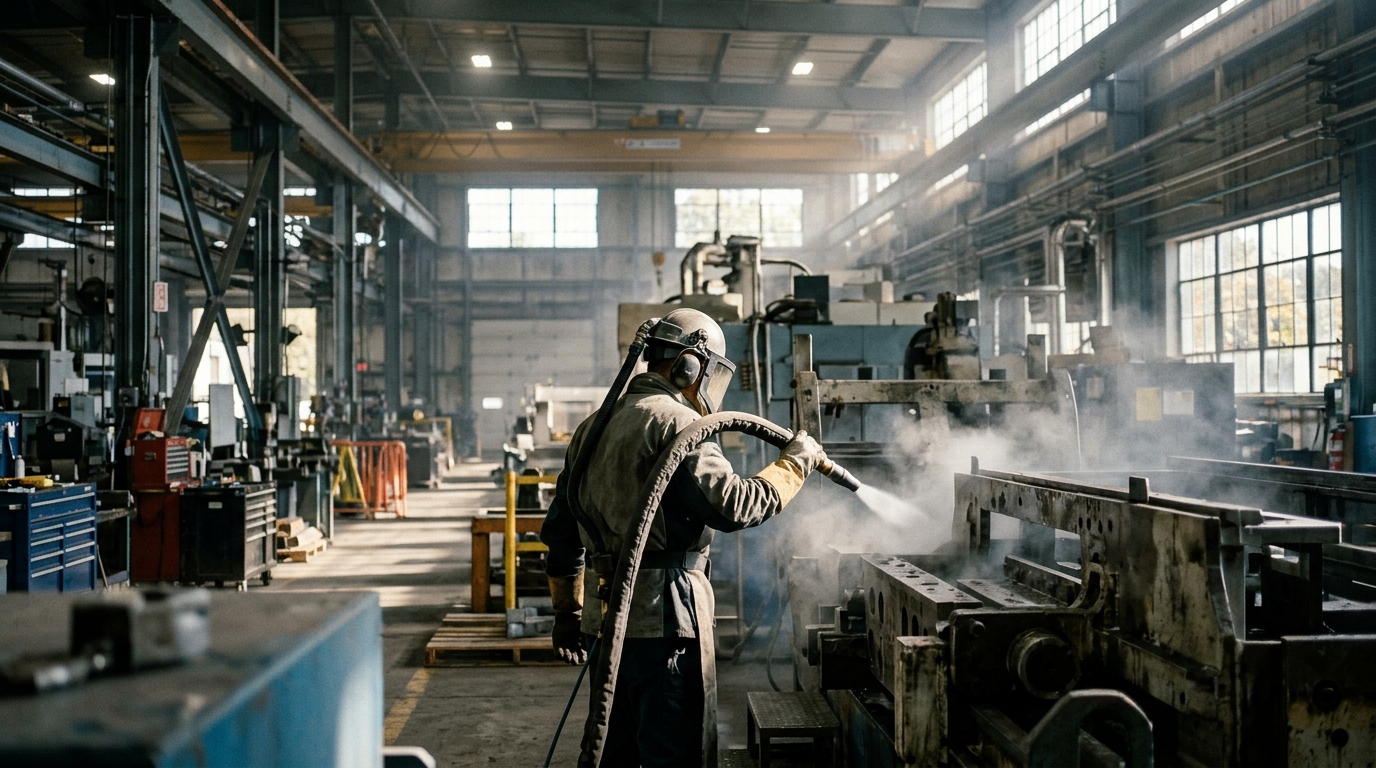
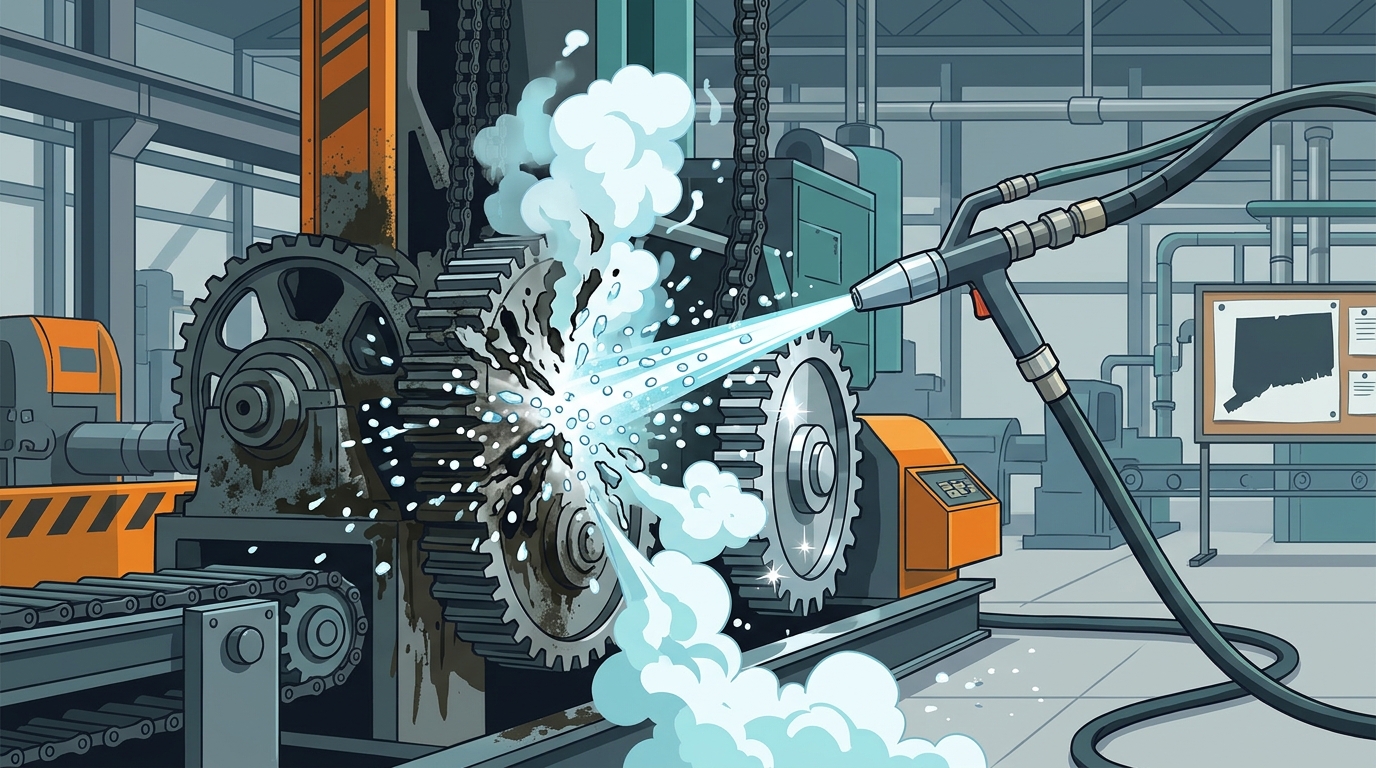
Dry ice blasting is a non-abrasive cleaning process that utilizes compressed air to propel solid carbon dioxide pellets at high velocity. When these pellets strike a surface, they undergo a phase change from solid to gas, a process known as sublimation. This rapid expansion creates a micro-explosion that dislodges dirt, grease, and carbon buildup. Because the pellets turn into gas, there is no secondary waste to dispose of, making it a highly efficient cleaning method.
The physics of this process ensures that the cleaning action is mechanical rather than chemical. The thermal shock from the cold pellets helps to crack and lift stubborn residues. This allows for the removal of contaminants that traditional methods often struggle to address. The result is a clean surface that is ready for immediate operation.
Eliminating Downtime in Production
Traditional cleaning methods often require equipment to be disassembled, moved, or shut down for extended periods. This downtime directly impacts production schedules and revenue. Mobile dry ice blasting allows technicians to clean equipment in place, often while it is still assembled. This capability is critical for manufacturers who cannot afford to stop their lines for maintenance.
Arctic Resto operates fully outfitted Mercedes Sprinter vans that bring the cleaning capability directly to your site. This mobile approach means there is no need to transport heavy machinery to an off-site facility. The service is designed to fit into your existing maintenance windows, reducing the total time required for cleaning. By keeping the equipment on the line, you maintain production continuity.
Safety and Environmental Compliance
Manufacturing facilities must adhere to strict environmental and safety regulations. Using water-based cleaning methods can lead to wastewater treatment issues and the need for chemical disposal. Dry ice blasting is a water-free and chemical-free process, which simplifies compliance with environmental standards. The absence of hazardous chemicals also protects your employees from potential exposure.
Applications in Manufacturing
Dry ice blasting is effective for a wide range of manufacturing equipment. It is commonly used to clean molds, extruders, and packaging machinery. The process is safe for most materials, including plastics, metals, and electronics. This versatility makes it a valuable tool for maintaining precision equipment. It helps to extend the lifespan of your assets by preventing the buildup of corrosive contaminants.
For example, a food processing plant can use dry ice blasting to clean conveyor belts and mixing bowls. The process removes organic residues without the need for harsh sanitizers. This ensures that the equipment meets hygiene standards while minimizing the risk of chemical contamination. The method is also suitable for cleaning electrical panels, where water or conductive chemicals would pose a safety risk.
Key Takeaways
- The process is water-free and chemical-free, simplifying environmental compliance.
- Mobile services allow for in-place cleaning, reducing equipment downtime.
- Sublimation ensures no secondary waste is produced during the cleaning process.
- Arctic Resto provides professional mobile dry ice cleaning services in Connecticut.
- This method is safe for a variety of materials, including electronics and plastics.
Frequently Asked Questions
Does dry ice blasting damage sensitive equipment?
No, dry ice blasting is a non-abrasive process. The pellets are soft and turn into gas on impact, which prevents physical damage to surfaces. It is safe for use on delicate components, electronics, and painted surfaces. This makes it a preferred method for cleaning precision manufacturing equipment.
Is dry ice blasting safe for food production environments?
Yes, the process is chemical-free and leaves no residue. The dry ice sublimates into carbon dioxide gas, which dissipates quickly. This makes it a safe option for cleaning equipment in food and beverage manufacturing facilities. It helps maintain hygiene standards without introducing contaminants.
How long does a typical cleaning session take?
The duration depends on the size and condition of the equipment. However, mobile dry ice blasting is generally faster than traditional methods. It allows for in-place cleaning, which reduces the time needed for disassembly and reassembly. This efficiency helps to minimize downtime for your production line.
Do I need to shut down my production line for cleaning?
In most cases, no. Mobile dry ice blasting can be performed on assembled equipment. This allows you to clean your machinery without taking it offline. The service is designed to fit into your maintenance schedule, ensuring that production continues with minimal interruption.
What types of contaminants can dry ice blasting remove?
Dry ice blasting is effective against a wide range of contaminants. It can remove grease, oil, carbon buildup, paint, and adhesives. The thermal shock and mechanical action of the pellets help to lift these residues from the surface. This makes it a versatile solution for various manufacturing applications. Learn more: arcticresto com.